ALMONO – Mill 19
ALMONO – Mill 19
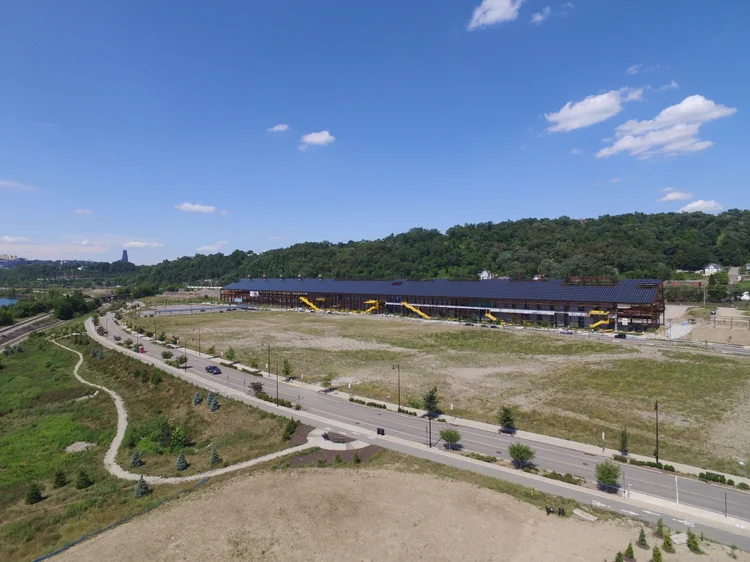
LSSE is pleased to announce that the Regional Development Industrial Development Corporation’s Mill 19 development project has received the Engineers Society of Western Pennsylvania 2020 Project of the Year award for Modernization for the revitalized former steel mill in Hazelwood Green. LSSE teamed with MSR Design to provide design, bidding, and construction phase services associated with the redevelopment of Mill 19. Mill 19 is occupied by some of the robotics powerhouses leading Pittsburgh, PA’s tech renaissance, including the renowned global technology company Motional, the Advanced Robotics for Manufacturing Institute (ARM), Carnegie Mellon University’s Manufacturing Futures Initiative (MFI), and Catalyst Connection.
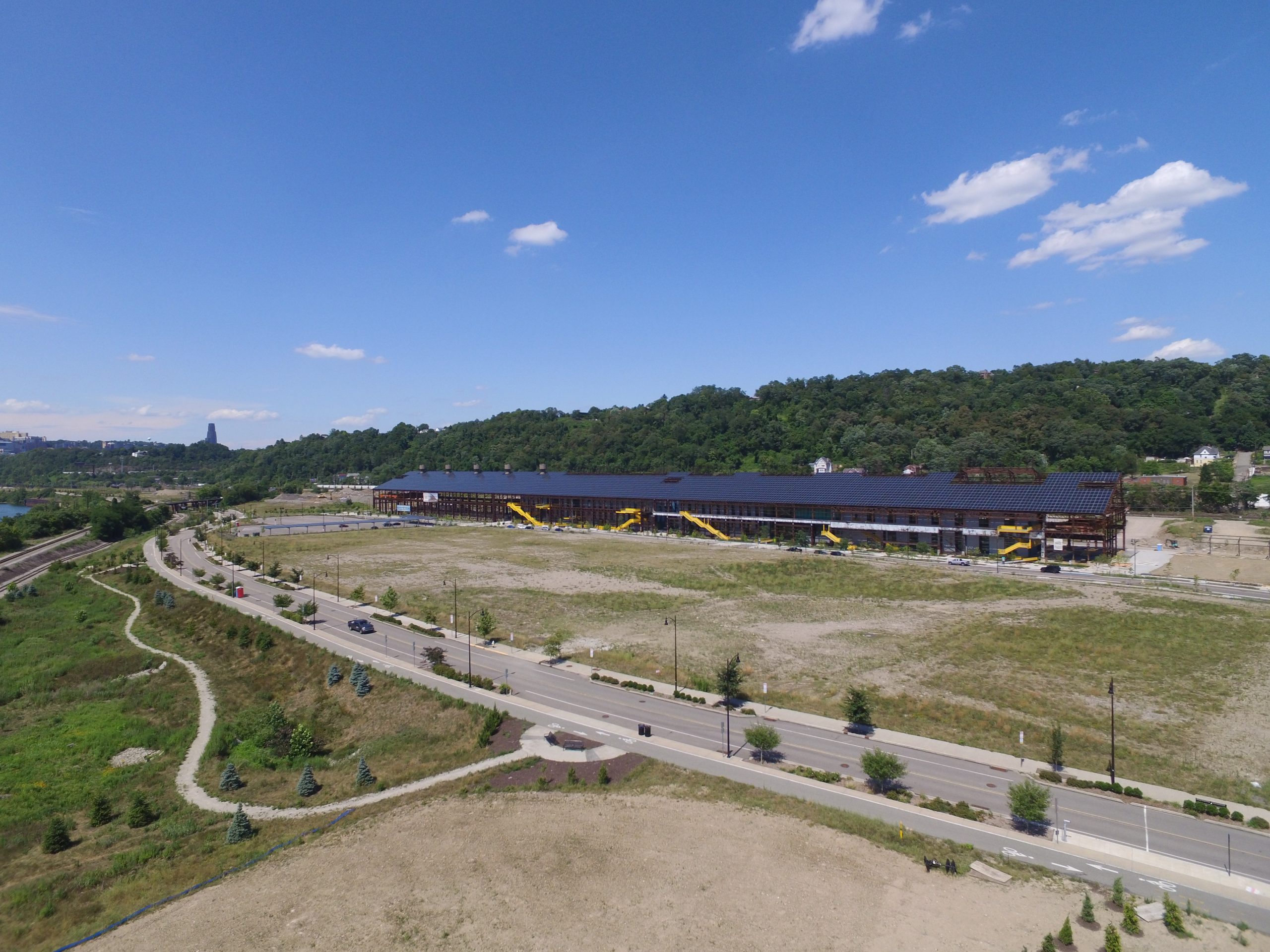
Mill 19 is the first permanent investment in a decades-long effort to redevelop the 178-acre Almono site, a riverfront brownfield south of Pittsburgh’s central business district.
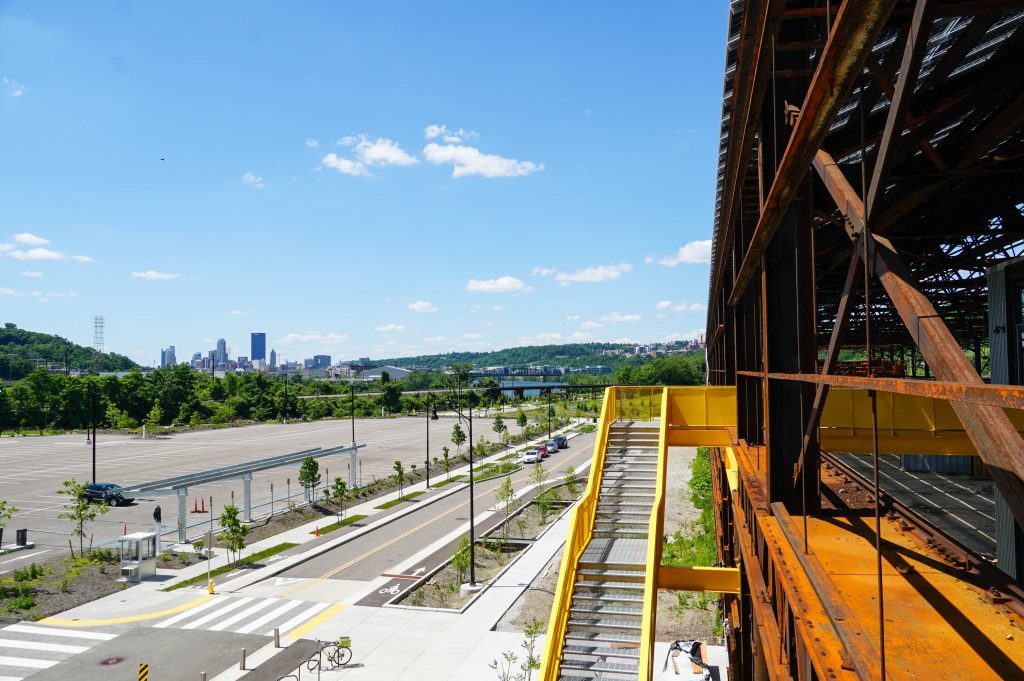
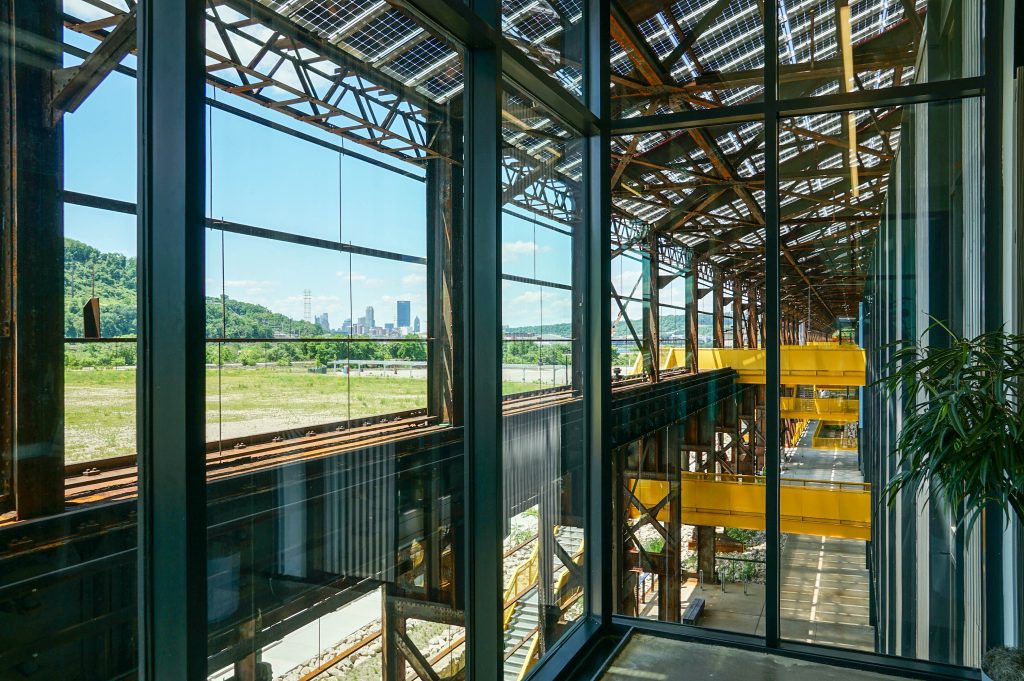
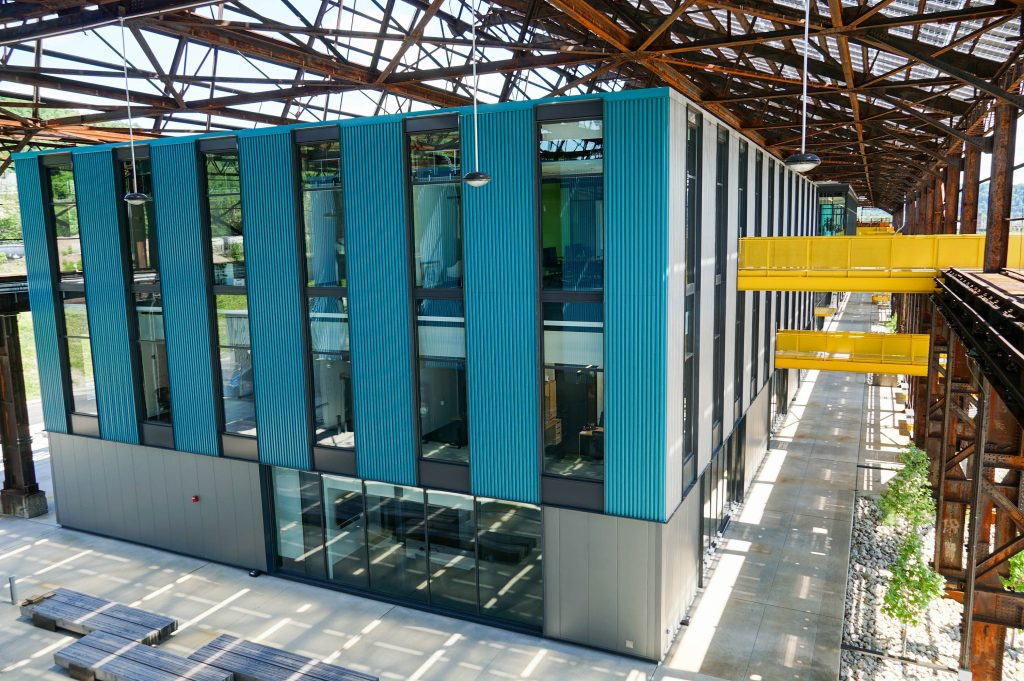
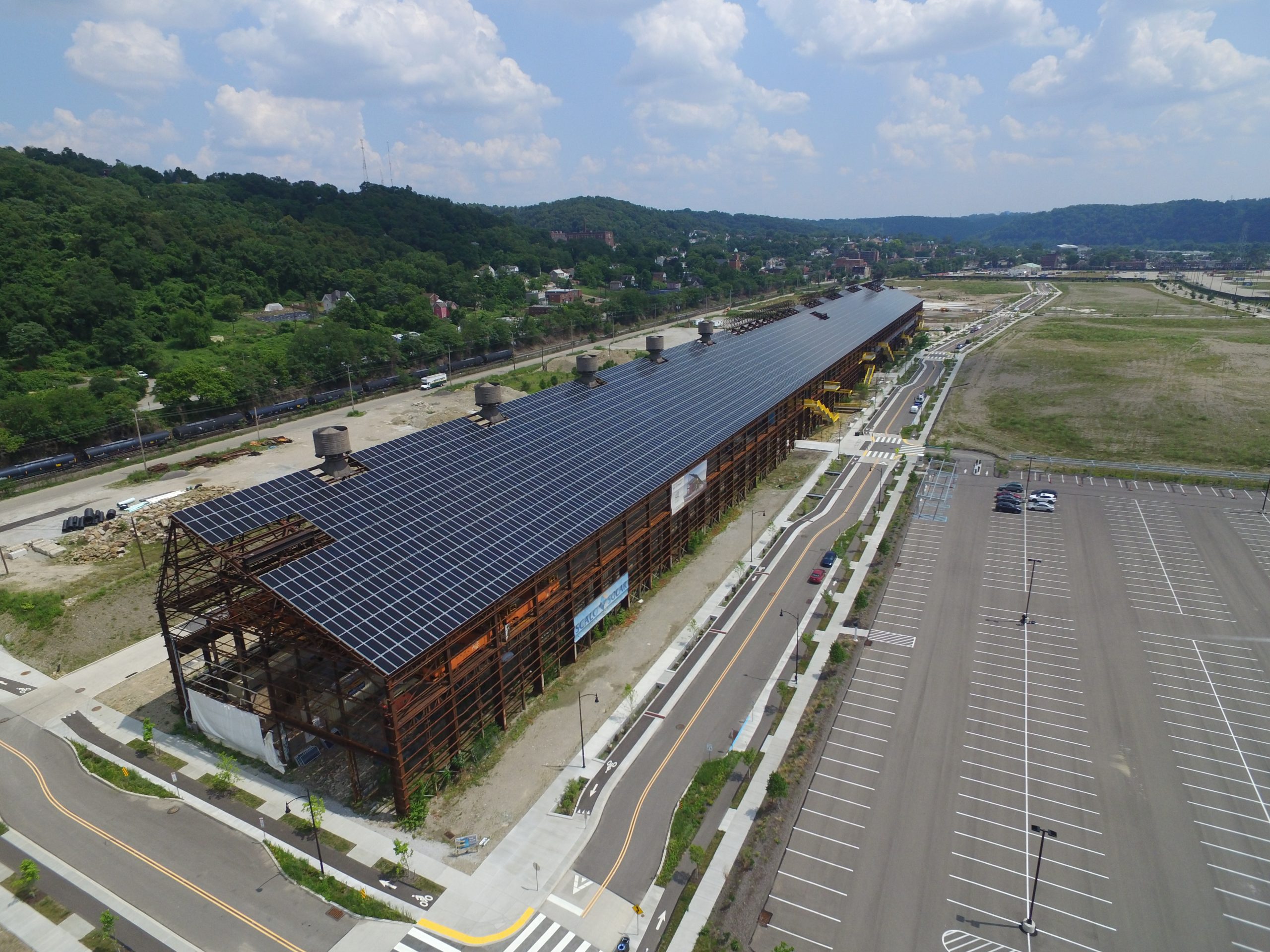
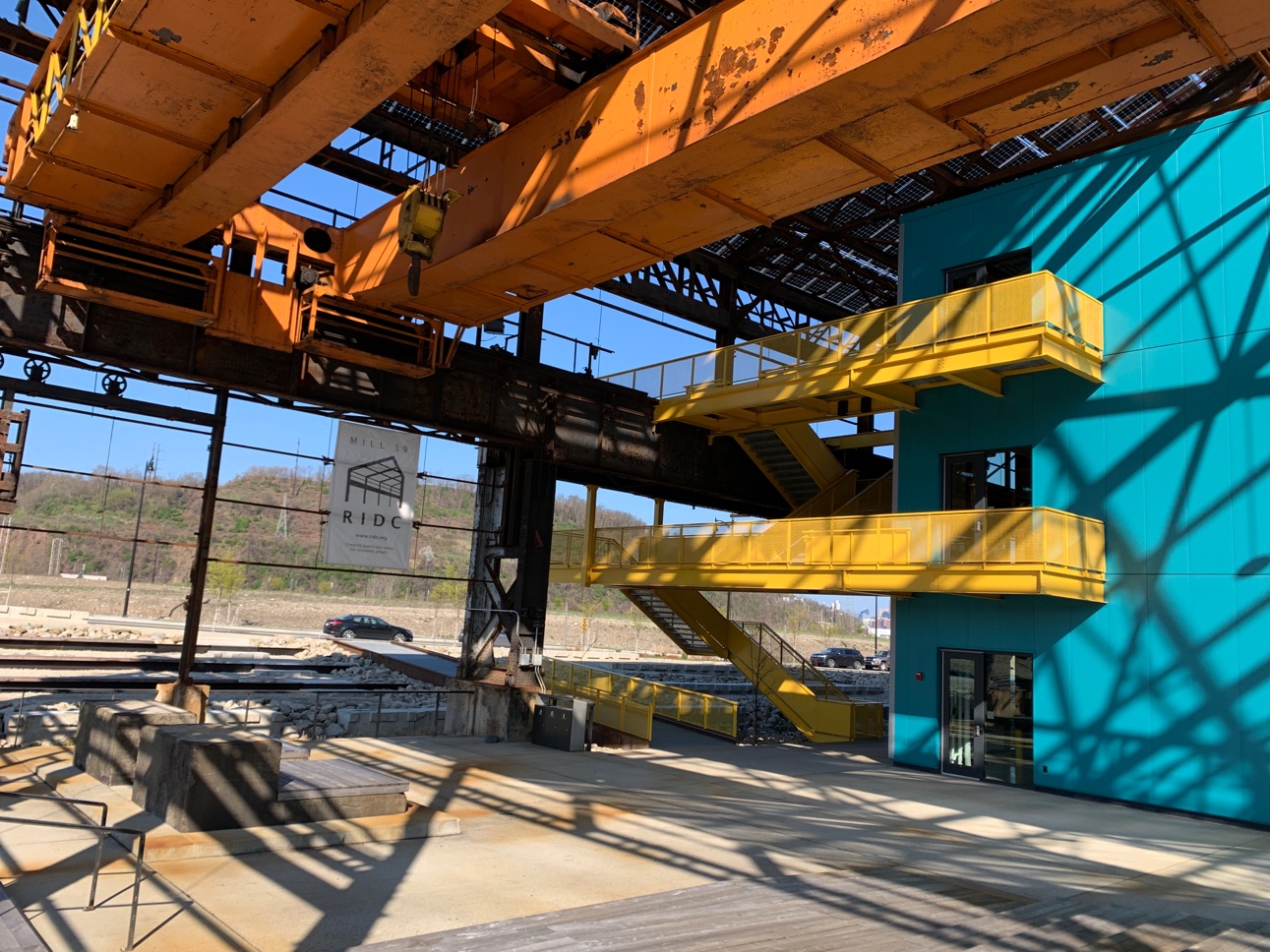
The 265,000 square foot waterfront property, Mill 19, casts a spectacular image. Its metal walls and roof have been stripped away, but its bones and underlaying steel superstructure have been intentionally kept, encasing two newly constructed buildings within its exoskeleton. Perhaps the most innovative solution of the project is its use of the “building within a building” concept. These new buildings feature light industrial, ground-floor prototyping, lab, office, and workshop space, all in proximity to Uber’s autonomous vehicle test track.
The old steel mill was redeveloped by the Regional Industrial Development Corporation (RIDC) to be eco-friendly and environmentally sustainable. One of the largest rooftop solar arrays in the country has recently gone live on top of RIDC’s Mill 19. 110,000 square feet of high-powered solar panels covers the entire rooftop area and will produce over two million kilowatt hours (kWh) per year, enough to power the entire facility. The Mill 19 project converted a former industrial mill into a LEED v4 Gold-certified building. Site stormwater will be conveyed through a rainwater garden to centrally located infiltration basins. Captured rooftop rainwater will be stored in underground cisterns for reuse in the cooling tower and flushing in the restrooms.
MARKETS:
- Commercial
- Industrial
- Institutional
SERVICES:
- Civil-Site Engineering
- Landscape Architecture and Planning
Project Photo